Understanding Roof Repair Bay Area
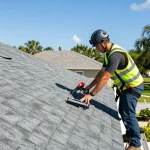
Home ownership comes with a multitude of responsibilities, and one of the most critical is maintaining your roof. Proper roof maintenance is not just about aesthetics; it significantly impacts the overall health of your home. In the Bay Area, where weather patterns can vary significantly, understanding the nuances of roof repair Bay Area is essential for every homeowner.
What is Roof Repair?
Roof repair refers to the process of fixing issues in a roof to enhance its longevity and functionality. This may include addressing leaks, replacing damaged shingles, or repairing structural integrity. Effective roof repair not only protects your home from water damage but also maintains energy efficiency and enhances curb appeal.
Common Roofing Materials
Bay Area roofs are typically made from various materials, such as asphalt shingles, metal, tile, and wood shake. Each material has its benefits and drawbacks:
- Asphalt Shingles: These are the most common due to affordability and ease of installation. However, they have a shorter lifespan than other materials.
- Metal: Known for durability and energy efficiency, metal roofs can last decades but may have a higher upfront cost.
- Tile: Tile roofs are incredibly durable and provide excellent insulation but are heavy and need a sturdy structure.
- Wood Shake: This option boasts unique aesthetics but requires more maintenance and can be susceptible to rot.
Why Timely Repairs Matter
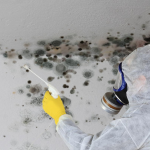
Timely roof repairs can save homeowners thousands of dollars in potential damages. Delaying necessary repairs can lead to issues such as mold growth, structural instability, and increased energy costs. Addressing these problems early ensures your home’s safety and preserves its value.
Identifying Roof Damage
Recognizing roof damage is crucial for maintaining the integrity of your home. Here are some common signs and factors to be aware of:
Signs of Wear and Tear
Homeowners can look for several signs indicating the need for roof repair:
- Missing or damaged shingles.
- Water stains or discoloration on ceilings and walls.
- Pools of water in low areas of the roof.
- Pest infestations on or in the roof structure.
How Weather Affects Roofing
The Bay Area experiences a range of weather conditions from sunny days to heavy rains. Prolonged exposure can result in material deterioration. Excessive moisture can cause wood components to rot, while prolonged heat can damage asphalt shingles. Homeowners should also consider protecting their roofs based on seasonal changes.
Inspection Checklist for Homeowners
Regular inspections can help catch problems early. Here’s a handy checklist:
- Check the condition of shingles.
- Inspect the flashing around chimneys and vents.
- Examine gutter systems for debris and leaks.
- Look for signs of sagging or unevenness on the roof surface.
Choosing a Roof Repair Contractor in Bay Area
The selection of a qualified contractor is vital for effective roof repairs. Here are tips to guide you in making that decision.
Qualifications to Look For
Before hiring, ensure the contractor holds the necessary licenses and insurance. A reputable roofing contractor should also have a strong history of completed projects and offer warranties on their work.
Questions to Ask Potential Contractors
- What is your experience with my specific roofing material?
- Can you provide references from past clients?
- What is your estimated timeline for this project?
- How do you handle unexpected issues that arise during the job?
Verifying References and Reviews
Do your homework by checking online reviews and contacting previous clients. Ask about their experience with communication, quality of work, and overall satisfaction. Whenever possible, inspect previous work firsthand.
Cost of Roof Repair Bay Area
Understanding the cost dynamics surrounding roof repair is essential for budgeting appropriately. Several factors can influence the overall cost:
Factors Influencing Repair Costs
Many variables affect roof repair prices, including:
- The extent and type of damage.
- The materials used for repairs.
- The pitch and accessibility of the roof.
- Labor costs in your specific area.
Cost-Effective Solutions
Homeowners can explore cost-effective solutions such as choosing affordable roofing materials or opting for repairs instead of total replacements when feasible. Regular maintenance may also prevent larger, more expensive issues from developing.
Financing Options for Homeowners
Some roofing companies offer financing options or payment plans, making it easier for homeowners to manage repair costs. Additionally, local government programs may assist with funding home repairs, particularly for low-income households.
Preventative Measures for Roof Longevity
Investing in preventative care ensures the longevity of your roof. Here’s how:
Regular Maintenance Tips
- Schedule annual inspections.
- Keep gutters clean to avoid water pooling.
- Trim overhanging branches to prevent damage.
- Clear debris to prevent roof rot and pests.
Seasonal Roof Care Guidelines
Adjusting your maintenance based on seasonal weather can help prolong your roof’s life. In winter, check for ice dams, while in summer, inspect for heat damage.
How to Extend Roof Lifespan
Utilizing high-quality materials during repairs, performing timely maintenance, and addressing issues quickly when they arise are all essential strategies to extend the lifespan of your roof.
FAQs
What are common signs that I need a roof repair?
Common signs include missing shingles, water stains indoors, leaks, and sagging areas on the roof. Regular inspections can help catch these early.
How often should I inspect my roof?
It’s best to inspect your roof at least twice a year. Additionally, check after severe weather events for any immediate issues.
Are roofing repairs covered by homeowners insurance?
Many homeowners insurance policies cover roofing repairs, particularly if the damage is due to unforeseen events like storms. Check your policy for specifics.
Can I repair my roof myself?
While minor repairs can sometimes be managed by experienced homeowners, it’s often best to hire professionals for safety and to ensure quality work.
What is the average lifespan of a roof?
The lifespan varies by material; asphalt shingles last 15-30 years, while metal roofs can last up to 50 years or more with proper maintenance.