The Evolution of Hijab Fashion in 2026
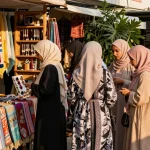
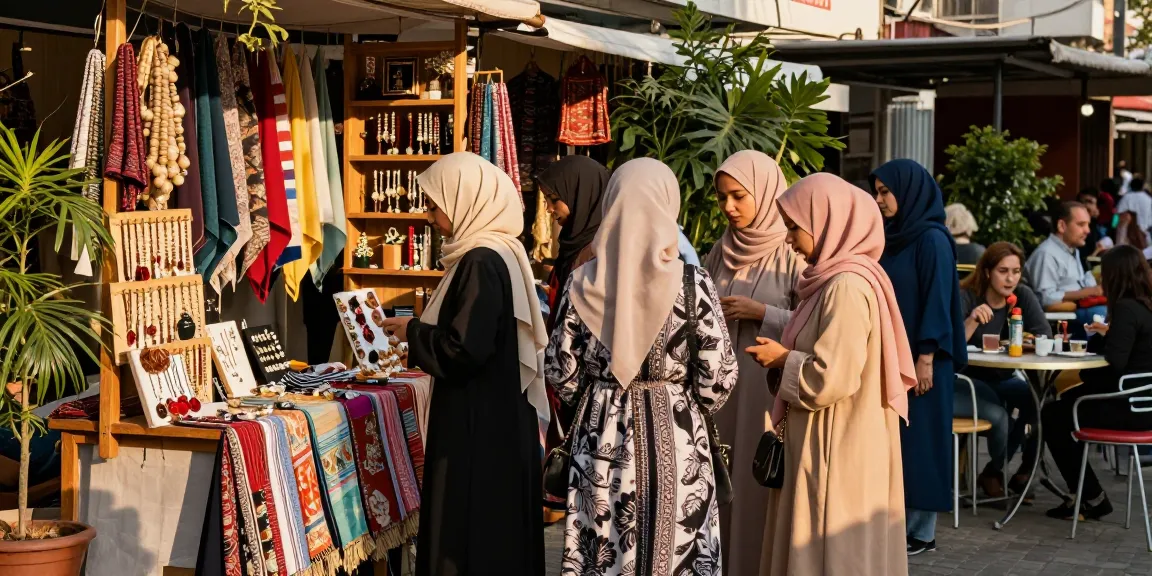
The hijab is not just a piece of cloth; it is a rich symbol of identity and tradition that has evolved dramatically over the years. As we navigate through 2026, the evolution of hijab fashion reflects broader societal changes, cultural influences, and individual expression. Modern hijab styles now incorporate diverse fabrics, colors, and designs, transforming the traditional hijab into a fashionable statement. This shift acknowledges the diverse lifestyles of Muslim women while also respecting cultural heritage. For those exploring options in hijab fashion, Hijab store offers a variety of styles, ensuring that all women can find something that resonates with them.
Historical Context of Hijab Styles
The history of the hijab dates back centuries, with variations across different cultures and regions. Traditionally, the hijab served as a marker of modesty and social status. In many parts of the world, it was worn as a part of everyday attire, reflecting both religious obligations and cultural norms. Over the years, the hijab has undergone numerous transformations, influenced by historical events, artistic movements, and social changes. The 20th century saw a significant shift, particularly with the global spread of fashion trends and the influence of Western culture. This historical lens helps us understand the contemporary styles that have emerged in 2026.
Modern Trends and Influences
As fashion continues to evolve, the hijab has become a canvas for creativity and innovation. Modern trends showcase an array of styles that cater to the contemporary Muslim woman’s lifestyle. Key trends in 2026 include:
- Layering: Combining different fabrics and lengths to create a unique look.
- Bold Colors and Patterns: A departure from traditional monochrome, today’s hijabs feature vibrant colors and intricate designs.
- Performance Fabrics: Activewear hijabs designed for comfort and functionality during sports or workouts.
- Customizable Styles: Personalized options to reflect individual aesthetics, from minimalist to extravagant.
Emerging Designers and Brands
The hijab fashion landscape is also witnessing a surge of emerging designers and brands that prioritize inclusivity and innovation. These creators often blend traditional craftsmanship with modern aesthetics, resulting in unique products that resonate with a global audience. Notable designers in 2026 include those who focus on sustainable practices, ethical sourcing, and inclusive sizing, ensuring that every woman can find a hijab that fits both her body and her style.
Understanding the Hijab Store Experience
The shopping experience in hijab stores has transformed alongside the evolution of hijab fashion. In 2026, understanding this experience is crucial for both retailers and consumers to foster a vibrant marketplace.
Importance of Customer Engagement
In today’s digital age, customer engagement is paramount. A successful hijab store connects with customers on multiple levels—not just through the products but also through storytelling and community building. Engaging content, whether through social media, newsletters, or in-store events, can build lasting relationships and foster brand loyalty.
Creating an Inviting Atmosphere
The physical space of a hijab store should reflect the values and aesthetics of its brand. An inviting atmosphere enhances the shopping experience, making customers feel comfortable and appreciated. This can be achieved through thoughtful layout, knowledgeable staff, and immersive displays that allow customers to envision how they might style their hijabs.
The Role of Personalization in Shopping
Personalization is a key trend in retail, and hijab stores are no exception. Tailoring shopping experiences to individual preferences, such as through personalized recommendations or curated collections, can significantly enhance customer satisfaction and increase sales. For example, stores might offer virtual styling sessions or AI-driven tools to help customers select the perfect hijab based on their style and needs.
Essential Features of a Successful Hijab Store
To thrive in the competitive hijab retail market, certain features are essential for success. These include a diverse product range, a strong online presence, and effective customer support.
Diverse Product Range and Quality
A hijab store must offer a variety of products that cater to different tastes and occasions. High-quality materials, unique designs, and a range of styles, from everyday wear to formal attire, are crucial. Customers are more likely to return to a store that provides both variety and quality.
Online Presence and E-commerce Integration
In 2026, having a robust online presence is no longer an option but a necessity. Successful hijab stores have embraced e-commerce to reach broader audiences. Providing a user-friendly website, intuitive navigation, and secure payment options greatly enhances the shopping experience. Additionally, integrating social media into the retail strategy allows stores to engage with customers in innovative ways.
Customer Support and Return Policies
Exceptional customer support and transparent return policies are critical for building trust. A bilingual support team or live chat options can ensure that customers feel valued and understood. Clear and fair return policies also alleviate any hesitations about making online purchases.
Challenges in the Hijab Retail Market
The hijab retail market, while growing, faces several challenges that need to be addressed to ensure continued success.
Addressing Misconceptions about Hijabs
One of the biggest challenges is the misconceptions surrounding hijabs and Islamic attire. Many non-Muslim customers may harbor stereotypes or misunderstand the significance of the hijab. Through education and engagement, hijab stores can work to demystify these pieces of clothing, fostering wider acceptance and appreciation.
Competition from Fast Fashion Brands
Fast fashion brands often dominate the retail landscape, presenting a challenge for hijab stores focused on quality and ethics. Competing with the lower prices of fast fashion requires hijab stores to highlight their unique selling points, such as craftsmanship, sustainable practices, and the cultural significance of their products.
Supply Chain Considerations and Sustainability
Sustainability is increasingly important in the fashion industry, and hijab stores must navigate supply chain complexities to align with sustainable practices. This includes ethical sourcing, eco-friendly materials, and transparent manufacturing processes. Meeting these demands not only attracts environmentally conscious consumers but also elevates the brand’s reputation.
The Future: Innovations in Hijab Shopping
As we look ahead, innovations in hijab shopping promise to transform the retail experience further in 2026 and beyond.
Technology’s Impact on Retail Experience
Technology is reshaping the shopping landscape, offering new tools and experiences for customers. Virtual fitting rooms, augmented reality apps, and personalized shopping experiences powered by AI are just a few examples of how technology can enhance the hijab shopping experience.
Predictions for Hijab Styles and Trends in 2026
The future of hijab fashion will likely see continued diversity in styles influenced by global trends. Expect to see an increase in versatile designs, functional features, and sustainable materials. Integration of technology in the design process, such as 3D printing, may also become more prevalent, allowing for unique and customizable hijabs.
Community Engagement and Social Media Influence
Social media will continue to play a significant role in shaping hijab fashion trends. Influencers and community engagement are vital for driving awareness and acceptance of various styles. In 2026, we can expect more collaborative efforts between brands and influencers, fostering a sense of community and belonging among customers.
What Makes a Hijab Store Stand Out?
To stand out in a crowded market, hijab stores must offer more than just products. Unique branding, exceptional customer service, and a commitment to community involvement can differentiate a store. Providing educational content about hijab styling, cultural significance, and fashion sustainability can also create a loyal customer base.
How to Choose the Right Hijab for Your Style?
Choosing the right hijab involves considering personal style, occasion, and comfort. Here are some tips:
- Assess your skin tone and personal color palette.
- Consider the fabric type based on comfort, climate, and purpose.
- Experiment with different styles and tying methods to find what works best for you.
What Are the Best Materials for Hijabs?
The best materials for hijabs depend on individual preferences and use cases. Common options include:
- Cotton: Breathable and comfortable, ideal for daily wear.
- Chiffon: Lightweight and flowy, great for formal occasions.
- Modal: Soft and luxurious, a popular choice for comfort.
How to Care for Your Hijabs Properly?
Caring for hijabs properly ensures their longevity. Here are some essential care tips:
- Hand wash delicate fabrics to avoid damage.
- Use mild detergents and avoid bleach.
- Air dry or lay flat to maintain shape.
What Trends Should We Expect in Hijab Designs?
Expect to see innovative designs that merge functionality with fashion, including:
- Reversible hijabs for versatile styling.
- Hijabs with built-in accessories or features.
- Collaboration collections that blend cultural elements with modern aesthetics.