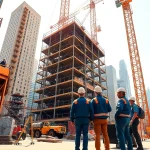
Understanding the Role of a New York Commercial General Contractor
Defining Commercial General Contracting
A New York Commercial General Contractor serves as a pivotal figure in the construction industry, acting as the hub for coordination and management of construction projects. This role encompasses overseeing the entire building process, from initial planning to finished construction, ensuring that every aspect aligns with regulatory standards and client expectations. Commercial general contractors possess a unique blend of technical skills, project management expertise, and communication proficiency necessary to navigate the complexities inherent in commercial construction.
Key Responsibilities of the Contractor
The responsibilities of a New York commercial general contractor extend beyond merely managing construction tasks. They include:
- Project Oversight: Ensuring that the project adheres to its timeline, budget, and quality standards.
- Coordination of Subcontractors: Engaging and managing specialized subcontractors for tasks such as electrical work, plumbing, and more.
- Compliance with Regulations: Understanding and implementing local building codes, safety regulations, and zoning laws.
- Budget Management: Developing cost estimates, submitting bids, and controlling expenses throughout the project lifecycle.
- Client Communication: Serving as the primary liaison between clients and construction crews, providing updates and addressing concerns.
Importance of General Contractors in New York
In New York’s dynamic urban landscape, the role of a commercial general contractor is crucial. With the fast-paced development and diverse projects ranging from retail spaces to large-scale office buildings, having an experienced contractor ensures that projects are completed efficiently and effectively. Their expertise minimizes risks associated with delays, cost overruns, and regulatory compliance, fostering a smoother construction process that aligns with the city’s architectural standards and community needs.
How to Select the Right New York Commercial General Contractor
Evaluating Experience and Expertise
Choosing the right contractor begins with evaluating their experience in commercial projects similar to yours. A contractor’s portfolio can provide insight into their expertise with various building types and project scales. It’s essential to consider their track record in managing projects within New York and their understanding of the local market nuances. Additionally, look for certifications and training relevant to their specialization, as these can indicate a commitment to professional development and industry standards.
Reviewing Past Projects and Client Testimonials
Another vital step in selecting a New York commercial general contractor is to review their past work and gather client testimonials. This research helps gauge the contractor’s reliability and quality of work. Request case studies or references from previous clients to understand their experiences, including adherence to timelines, budget management, and overall satisfaction with the completed project. Online reviews and ratings can also provide a broader perspective on the contractor’s reputation in the industry.
Assessing Cost Estimates and Budgeting
Cost is often a determining factor in contractor selection. When obtaining cost estimates, ensure they are comprehensive and transparent, outlining labor, materials, permits, and potential unforeseen expenses. It’s crucial to compare estimates from multiple contractors while keeping in mind that the lowest bid may not always reflect the best value. Evaluate each estimate based on the contractor’s proposed timeline, quality of materials, and their approach to handling unforeseen issues to make an informed decision.
Regulatory Considerations for New York Commercial General Contractors
Building Codes and Legal Requirements
In New York, commercial construction is governed by a comprehensive set of building codes and legal regulations designed to ensure safety and structural integrity. General contractors must be well-versed in these codes, which include requirements for fire safety, energy efficiency, and accessibility. Non-compliance can lead to significant penalties, project delays, and compromised safety, underscoring the importance of selecting a contractor with solid knowledge of local regulations.
Understanding Zoning Laws in New York
Zoning laws dictate how land can be used in various areas within New York, affecting everything from building heights to usage types. An experienced commercial general contractor must navigate these laws effectively to ensure that the proposed project complies with local zoning regulations. This understanding can influence site selection, design, and construction processes, ultimately impacting the project’s success and operational feasibility.
Permits and Licensing for Contractors
Contractors operating in New York must obtain the necessary licenses and permits to execute construction projects legally. This includes general contractor licenses, specialty contractor licenses, and specific permits for demolition, electrical work, plumbing, and more. A reputable contractor will ensure that all required permits are secured before commencing work, thus preempting regulatory issues that could halt progress and increase costs.
Best Practices for Working with a New York Commercial General Contractor
Effective Communication Strategies
Successful collaboration hinges on effective communication between clients and contractors. Establish clear communication channels from the outset, ensuring that both parties are aligned on project expectations and timelines. Regular updates, progress meetings, and prompt responses to inquiries foster transparency and trust, ultimately leading to a smoother construction process and a more favorable outcome.
Managing Project Timelines and Milestones
Timelines are a critical aspect of any construction project. Work with your contractor to establish realistic deadlines and break the project into manageable milestones. Monitoring these milestones allows for identifying potential delays early and implementing mitigative strategies. Using project management tools can also help in tracking progress and maintaining accountability throughout the construction phase.
Ensuring Quality Control During Construction
Maintaining quality control during construction is essential to ensure that the final product meets client specifications and industry standards. Regular inspections and quality assessments should be part of the project management process. Encourage your contractor to implement systematic quality checks throughout the build, addressing any issues immediately to avoid costly rectifications later.
Frequently Asked Questions about New York Commercial General Contractors
What is the average cost of hiring a commercial general contractor?
The average cost can vary greatly depending on project size, complexity, and location, but typically ranges from 10% to 20% of total project costs.
How long does a commercial construction project take?
Completion time depends on the project’s scale and complexity; small projects may take a few months, while large-scale developments can extend to over a year.
What should I check before hiring a contractor?
Verify their licensing, insurance, references, and past project experience. Look for online reviews and detailed bids to compare contractors effectively.
Can contractors help with design and planning?
Many contractors offer services that include design and planning to assist clients in visualizing their project, ensuring efficiency and feasibility.
What is the role of a project manager in construction?
A project manager coordinates the construction project, ensuring it stays on schedule, meets budget constraints, and maintains communication among parties.