Understanding the Need for Roof Replacement in Tampa
For many homeowners in Tampa, the decision to replace a roof often comes too late. With the unique climate conditions across Florida, particularly in Tampa, procrastinating on roof maintenance frequently leads to dire consequences. Homeowners frequently opt for quick fixes—applying patches, sealing leaks, or caulking gaps—hoping their aging roofs can withstand yet another storm season. Unfortunately, come August, they often find themselves facing extensive water damage and the costly aftermath. Understanding when it is time to move beyond repairs and consider a full roof replacement is crucial for preserving your home’s integrity and safety. For further guidance on this process, consider exploring options like https://avatarroofing.com/residential-roofing-tampa/roof-replacement-tampa/.
Identifying Signs Your Roof Needs Replacement
There are several telltale signs that indicate it might be time for a roof replacement. One primary indicator is age—roofs older than 20 years, particularly asphalt shingle roofs, are often nearing the end of their life expectancy. Furthermore, Tampa’s sun exposure and humidity can accelerate deterioration, shortening asphalt’s lifeline to as little as 18 years. Other signs to watch for include:
- Curling Shingles: Shingles that are curling at the edges or buckling indicate loss of granules and protection.
- Granules in Gutters: If you notice granules in your gutters, it suggests that your roofing material is breaking down.
- Soft Spots: Walking on your roof and feeling soft spots can indicate water damage and rot beneath the surface.
- Light in the Attic: Daylight shining through your roof boards means there are holes or damage that need serious attention.
Each of these signs, when combined, often necessitates a full roof replacement rather than mere patchwork repairs.
Common Misconceptions About Roof Repairs vs. Replacement
A prevalent misconception among homeowners is that repairs are always a more economical choice than replacement. While repairs may appear cost-effective initially, they can lead to significant expenses down the line if the underlying issues are not addressed. Additionally, patching can fail following subsequent storms, exacerbating existing problems. This cycle of repairs not only leads to higher costs but also puts the structural integrity of the home at risk. Understanding when to opt for complete replacement can ultimately save money and headaches in the future.
The Long-Term Cost Benefits of Timely Roof Replacement
Investing in a roof replacement has long-term benefits that often outweigh the initial costs. A new roof can enhance a home’s resale value, improve energy efficiency, and reduce the need for frequent repairs. For instance, modern roofing materials come equipped with better warranties and improved weather resistance, ensuring that they last longer and need far fewer repairs than older roofs. Homeowners who replace their roofs proactively typically save more in the long run, avoiding extensive water damage repairs and higher insurance premiums due to claims from storm damage.
Types of Roofs Commonly Replaced in Tampa
Asphalt Shingle Roofs: The Standard for Tampa Homes
Asphalt shingle roofs are the most common choice among Tampa homeowners due to their affordability and versatility. When we perform an asphalt shingle roof replacement, we ensure that the old shingles are stripped down to the decking. This allows for thorough inspection of the underlying boards for any rot or damage. Any damaged sections are replaced before we install layers of underlayment and new shingles. Using high wind-rated shingles is essential for resisting Tampa’s severe storms, making this choice both practical and cost-effective.
Metal Roofs: An Innovative Choice for Longevity
In recent years, metal roofing has surged in popularity among homeowners in Tampa looking for durability and aesthetic appeal. A high-quality metal roof can last 40 to 50 years, making it an attractive long-term investment. In addition to longevity, metal roofs reflect sunlight, which can help lower cooling costs during hot summer months. Available in various styles, such as standing seam and metal shingles, metal roofs can complement modern and traditional homes alike.
Flat Roofs: Challenges and Replacement Strategies
Flat roofs, commonly found on commercial and some residential buildings in Tampa, can pose unique challenges. Ponding water is the most significant threat to flat roofs, as it can lead to leaks and structural damage over time. When replacing flat roofs, we utilize advanced materials like TPO membranes or modified bitumen systems, both of which can be engineered with a slight slope to facilitate proper drainage. Maintaining these roofs is crucial, especially in older buildings, to ensure that they withstand Florida’s harsh weather conditions.
The Roof Replacement Process: What to Expect
Initial Inspection and Assessment of Roof Damage
The first step in the roof replacement process is an initial inspection. A qualified roofing contractor will assess the overall condition of your roof and identify any damage that may require immediate attention. During this step, it’s essential to document any issues thoroughly, which can be beneficial for insurance claims, particularly after storm damage. A comprehensive evaluation will help determine whether a repair is sufficient or if a full replacement is necessary.
Choosing the Right Materials for Your Home
Once the assessment is complete, homeowners must choose the right materials for their roof replacement. Factors to consider include budget, desired longevity, and the home’s architectural style. Roofing materials should not only fit the aesthetic of the house but also offer durability against Tampa’s weather. Consulting with roofing professionals can help guide decisions about which materials are best suited for your specific situation.
Installation Steps for a Successful Roof Replacement
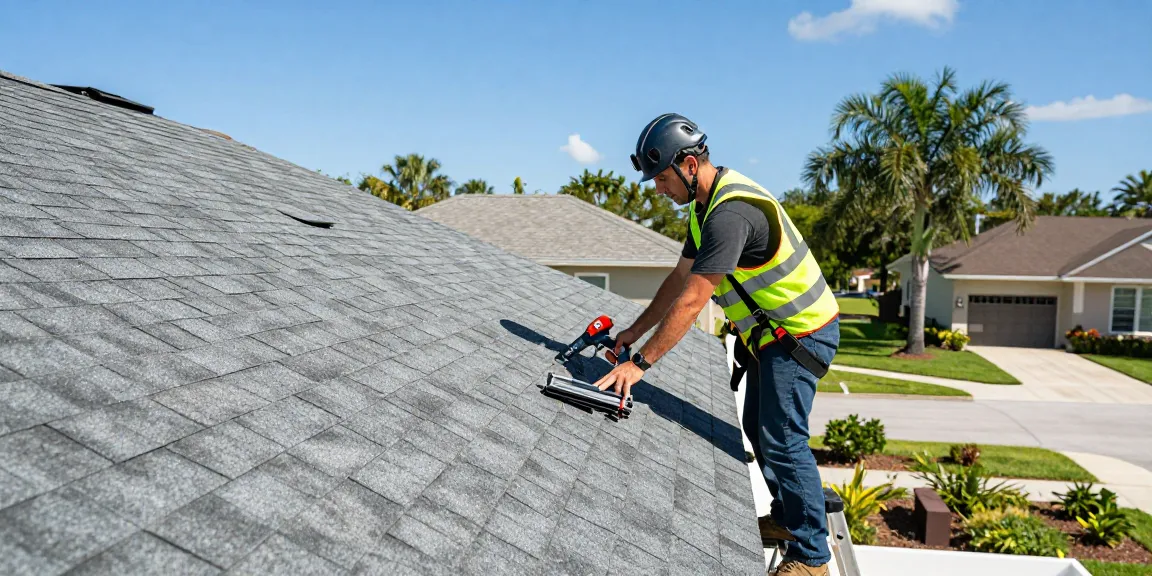
Following the selection of materials, the installation process begins. Key steps include:
- Preparation: The site is prepared for roofing, including possible removal of old roofing materials and laying down protective measures.
- Deck Assessment: The roofing deck is inspected for any damage and repaired as needed.
- Installation: New underlayment and roofing materials are installed, ensuring that all layers are correctly placed for maximum effectiveness.
- Final Inspections: Once installation is complete, a final inspection will ensure everything meets local codes and regulations.
Each of these steps is vital for ensuring the integrity and durability of the new roof.
Working with Local Roofing Professionals
Why Tampa Homeowners Trust Local Experts
When it comes to roof replacement, working with local professionals who understand the unique challenges of Tampa’s climate is invaluable. Local contractors are familiar with zoning laws, building codes, and the types of materials that perform best in the area. Their experience with local weather patterns also means they can provide tailored recommendations that consider the specific conditions that may affect your roof.
Understanding the Importance of Licensing and Insurance
Choosing a licensed and insured roofing contractor is crucial. Licensing ensures that the contractor meets the necessary qualifications and adheres to local building codes. Insurance protects homeowners from liability in case of accidents during the installation process. Asking to see a contractor’s credentials and insurance is not only advisable but essential for safeguarding your investment.
Finding a Reliable Contractor for Your Roof Replacement Needs
Finding a reputable and trustworthy contractor can be a daunting task. Homeowners should seek referrals from friends or family, read online reviews, and ask potential contractors for references and examples of past work. Establishing a clear line of communication and understanding the contractor’s process can also help ensure a smooth roof replacement experience.
Financing Options for Roof Replacement
Understanding 100% Financing Options with Approved Credit
For many homeowners, the upfront cost of roof replacement can be overwhelming. Fortunately, several financing options can make this necessary project more manageable. Many local roofing companies offer 100% financing with approved credit, allowing homeowners to get their roofs replaced without a significant upfront investment. This can be a lifesaver for those who are facing immediate roof issues but lack the funds to cover the cost upfront.
Planning Your Budget for a Roof Replacement Project
As with any major home improvement project, it’s essential to budget appropriately for a roof replacement. Homeowners should consider various factors, including the type of roofing material, labor costs, and potential unexpected repairs that may arise during the replacement process. Setting aside a contingency fund for unforeseen expenses can also provide peace of mind and financial security.
Resources for Homeowners: Grants and Assistance Programs
Additionally, various programs and grants may be available through municipal and non-profit organizations that can assist with covering costs. Homeowners should explore local resources to see if they qualify for financial assistance, which can ease the financial burden associated with roof replacement.
Why Should You Replace Your Roof Now?
Replacing your roof is an investment in your home that can yield significant dividends in terms of comfort, safety, and property value. If your roof is showing signs of wear, such as leaks, missing shingles, or an age of over two decades, it’s better to act sooner rather than later. Waiting too long can lead to more extensive damage, higher repair costs, and further stress during storm seasons.
Can I Repair My Roof Instead of Replacing It?
While minor issues may be effectively resolved with repairs, the key is recognizing when these repairs can no longer address underlying problems. If your roof frequently requires repairs or appears to be significantly aging, it’s often more economical to invest in a full replacement rather than face the ongoing costs and uncertainties associated with patching.
What Materials Should I Choose for My Tampa Roof?
Choosing the right roofing material is one of the most critical decisions you will make. Options like asphalt shingles remain popular due to their affordability, while metal roofs are excellent for those seeking durability and energy efficiency. Ultimately, the best choice will depend on your specific needs, budget, and the architectural style of your home.
How Long Does the Roof Replacement Process Take?
The timeframe for a roof replacement can vary based on factors like the size of the home, the roofing material chosen, and weather conditions. Generally, most roof replacements take anywhere from a few days to a week. Setting clear expectations with your contractor regarding timelines and any potential delays is essential to avoid inconveniences.
Are There Any Warranties on Roof Replacements?
Most roofing contractors offer warranties on both materials and labor. Understanding the specific terms of these warranties can provide added assurance and protect your investment. Be sure to ask your contractor about the warranties available, as well as what they cover, to ensure you’re adequately protected.