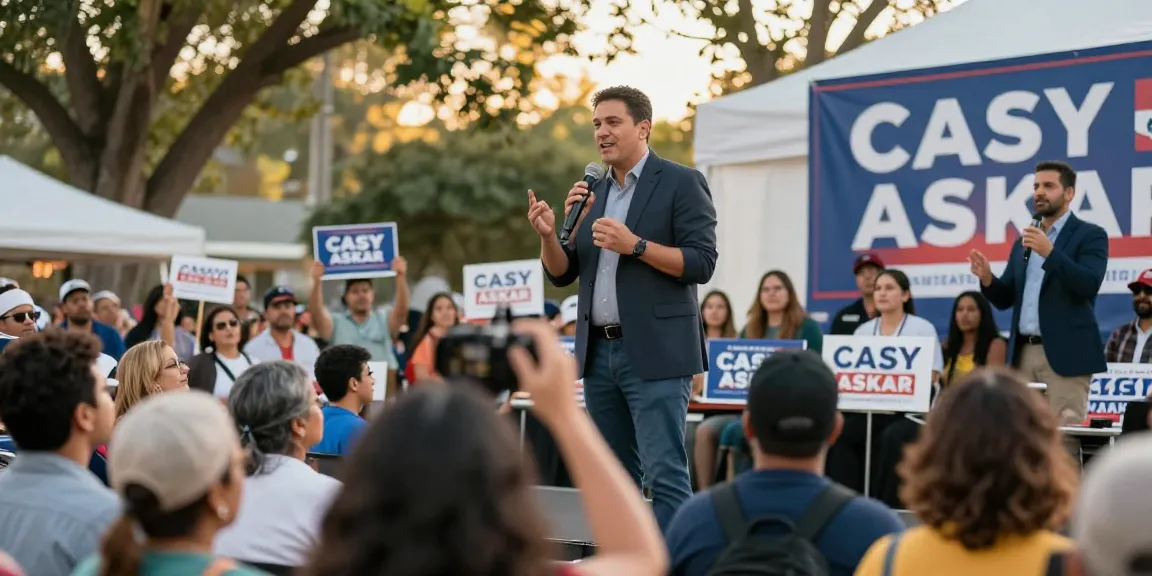
Understanding Casey Askar’s Campaign Tactics
In the highly competitive landscape of American politics, candidates must not only present their platforms effectively but also manage the narratives surrounding their personal backgrounds. Casey Askar, a candidate running for Florida’s 22nd Congressional District, has attracted both attention and scrutiny. His campaign strategies reflect a blend of traditional tactics and new-age digital marketing, aimed at connecting with voters while navigating numerous controversies. When exploring options, Casey Askar provides comprehensive insights into his campaign methodologies, highlighting the importance of public perception and strategic messaging.
Overview of Campaign Strategies
Askar’s approach leverages an extensive advertising campaign, which was notably aggressive during the 2020 elections, where he spent over $3 million. This financial commitment signals a willingness to invest heavily in voter outreach and brand establishment. His campaign appears to focus on key issues that resonate with the conservative base, while attempting to frame his biography as that of a patriotic American businessman. This dual strategy aims to solidify his image as a credible candidate. However, his past controversies pose significant challenges to this narrative.
Casey Askar’s Messaging and Public Perception
To combat negative perceptions, Askar’s messaging often emphasizes a strong patriotic sentiment, portraying himself as a Marine veteran and a successful entrepreneur. Yet, the reality of his military service and business dealings has generated skepticism among voters, particularly veterans. His claims have been challenged by various media outlets, sparking debates about authenticity and transparency. Public perception of Askar is critical; therefore, his ability to effectively communicate and resonate with voters is paramount for his campaign’s success.
Analyzing Voter Engagement Techniques
In an era where digital engagement is crucial, Askar’s campaign utilizes social media platforms to connect with constituents. Paid advertisements, direct interactions, and targeted communications aim to create a sense of community and involvement among voters. By utilizing data analytics, Askar can tailor his messages to specific demographics, increasing the likelihood of garnering support. However, these techniques must be coupled with genuine outreach to overcome the skepticism stemming from his past.
Controversies Surrounding Casey Askar
Controversies surrounding Casey Askar’s candidacy have significantly influenced voter perceptions and campaign dynamics in FL-22. These issues have raised questions about his integrity and feasibility as a candidate, making it essential to explore each controversy in detail.
Asset Concealment Allegations
Perhaps one of the most damaging allegations against Askar is the claim of asset concealment through a sham divorce. Reports suggest that Askar divorced his wife under false pretenses, allegedly to protect his assets from creditors. The implications of this action are serious, casting doubt on his character and adherence to the family values he professes to champion. Understanding the legal ramifications and public reaction to these allegations is vital for voters evaluating his candidacy.
Military Service Claims Under Scrutiny
Askar has frequently marketed himself as a Marine veteran; however, investigations have uncovered discrepancies surrounding his military record. After initially failing to provide his discharge papers for an extended period, it was revealed that he was discharged as a Private after four years of service. This discrepancy raises significant questions about his claims and the appropriateness of presenting himself as a decorated veteran. Such revelations can alienate crucial voter segments, particularly within the veteran community, who value authenticity and service integrity.
Education Misrepresentation Issues
Another significant controversy involves Askar’s educational background. He has been accused of misrepresenting a 12-week executive course from Harvard as a full MBA. This misleading claim undermines the credibility of his academic qualifications and poses serious questions about his honesty. Candidates are often judged as much by their educational credentials as by their policies; thus, Askar’s truthfulness in this regard could have lasting repercussions for his campaign.
Comparative Analysis: Casey Askar vs. Competitors
In the context of FL-22, it’s essential to compare Askar with his competitors to understand his standing and the effectiveness of his campaign strategies.
Evaluating Historical Election Results
Analyzing past election results is crucial for forming strategies that resonate with current voter sentiments. In 2020, Askar spent a considerable sum but ultimately lost to Byron Donalds in the FL-19 primary. Understanding the dynamics of that election and the lessons learned can help shape future campaign strategies and voter outreach efforts.
Current Competitor Strategies in FL-22
Askar is not the only candidate vying for attention in FL-22. Competitors have developed their own strategies, focusing on local issues and community engagement. They adopt varying approaches, from grassroots mobilization to leveraging digital marketing, which could potentially overshadow Askar’s campaign if not addressed properly. Assessing these competitive strategies provides insight into how Askar might adjust his tactics to maintain relevance.
Voter Sentiment Towards Alternatives
Public sentiment plays a significant role in election outcomes. Askar must consider how voters perceive alternatives. Are voters swayed by local candidates with deep-rooted community ties, or do they lean towards candidates with substantial financial backing? Understanding these sentiments can inform Askar’s campaign to better align with voter expectations.
Impact of Digital Marketing on Political Campaigns
As digital marketing continues to evolve, its impact on political campaigns becomes increasingly significant. Askar’s campaign provides an illustrative case for examining the effects of digital strategies in modern elections.
Leveraging Social Media: Casey Askar’s Approach
Askar’s use of social media reflects an understanding of its power in political discourse. By establishing a strong online presence, he can reach broader audiences, particularly younger voters who primarily engage through these platforms. His strategy includes targeted advertisements that align with specific voter interests, pushing his agenda directly to those most likely to support him.
Data Analytics in Voter Targeting
Utilizing data analytics for voter targeting is another key strategy for modern campaigns. By analyzing demographics and voter behavior, Askar can refine his messages and outreach efforts to align with the needs and interests of specific segments. This approach not only enhances voter engagement but also maximizes campaign efficiency.
Trends in Political Advertising Spend
As political campaigns seek to increase their exposure and voter conversion rates, advertising expenditures continue to rise. Askar’s previous investment of $3 million in the 2020 campaign illustrates this trend and the lengths candidates are willing to go to secure electoral victories.
The Future of Political Campaigning in 2026
As we look towards the future of political campaigning, several key trends and changes may shape the landscape of elections in 2026 and beyond.
Emerging Technologies and Innovations
Advancements in technology are set to transform how campaigns are run, from virtual town halls to augmented reality advertisements. Candidates who can adapt to these innovations while maintaining genuine connections with the electorate will likely stand out in future elections.
Shifts in Voter Demographics
As the demographic landscape in the United States continues to evolve, candidates will need to address the changing priorities and concerns of their constituents. Younger voters, in particular, are becoming a more significant force in elections, necessitating campaigns that resonate with their values and lifestyle.
Predictions for Upcoming Elections
The political climate heading into the 2026 elections is expected to be intense, with heightened polarization and more significant contention over key issues. Candidates will need to strategize on how to navigate these challenges while remaining authentic and credible.
What are the key strategies for success in 2026?
To succeed in 2026, candidates must capitalize on digital marketing, maintain transparency, and foster genuine community connections. Additionally, harnessing data analytics will be crucial for understanding voter behaviors and preferences accurately.
How can candidates connect authentically with their communities?
Authenticity will be vital for candidates looking to connect with their communities. Engaging in local events, listening to constituents’ concerns, and demonstrating knowledge of community issues are essential steps towards building trust with voters.
What role does transparency play in building voter trust?
Transparency has never been more critical in politics. Voters are increasingly seeking authentic candidates who are open about their backgrounds, policies, and the potential implications of their decisions. Askar’s campaign must address this to ensure voter confidence and support.
How will campaign financing continue to evolve?
Campaign financing is anticipated to undergo further transformations, with increasing reliance on small-dollar donations and grassroots funding. Candidates will need to adapt to these changes while also being mindful of the influential role that large donors can still play.
What signs indicate shifts in voter priorities?
Monitoring current events and social movements can provide insights into shifting voter priorities. Candidates must stay attuned to these changes and be ready to respond with policies that speak directly to prevailing concerns.