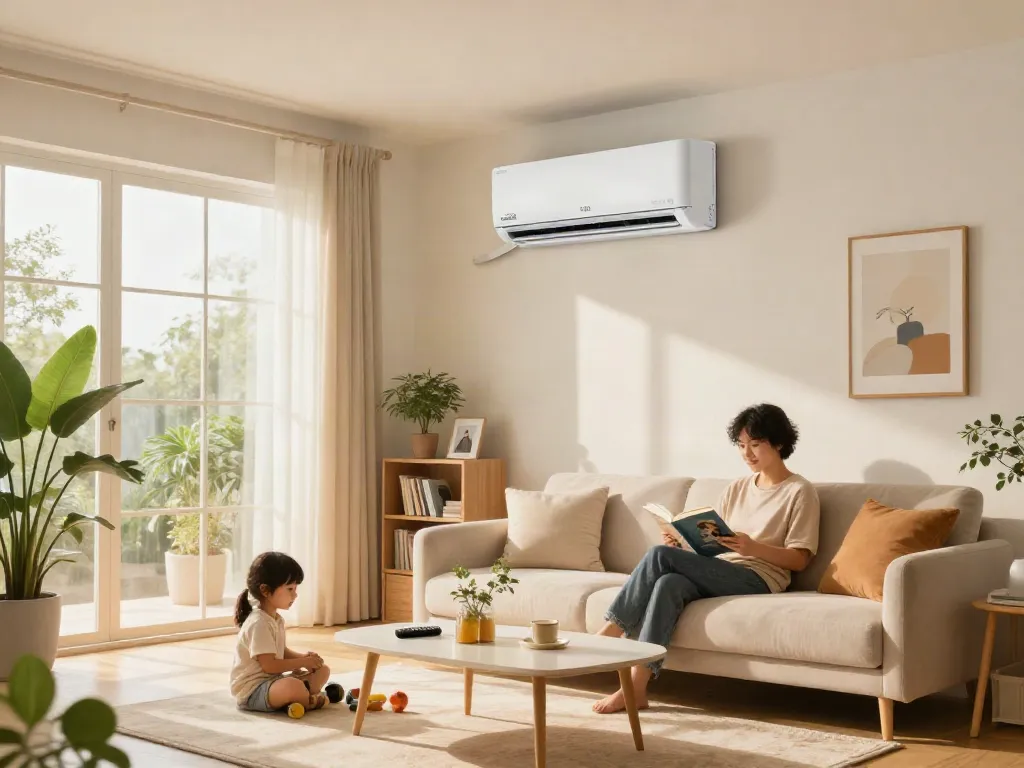
Understanding the 18k Mini Split System
As home heating and cooling demands evolve, many homeowners are turning to modern solutions, like the 18k mini split systems, to provide a versatile and efficient climate control option. These systems are uniquely designed to cater to varying room sizes and needs, presenting an innovative alternative to traditional HVAC units.
What is an 18k Mini Split?
An 18k mini split, or 18,000 BTU (British Thermal Units) system, refers to a ductless air conditioning and heating system that can cool or heat spaces effectively up to 1,000 square feet. Unlike conventional systems that use ducts for air distribution, mini splits consist of an outdoor compressor and one or more indoor air-handler units, allowing for greater flexibility in installation. These units deliver both high efficiency and precise temperature control, making them ideal for a variety of residential and commercial applications.
Key Features and Benefits of 18k Mini Splits
- Ductless Design: Eliminating ductwork reduces installation costs and associated energy losses.
- Zone Control: Allows users to cool or heat individual rooms independently, optimizing energy use.
- Energy Efficiency: Many models feature high SEER (Seasonal Energy Efficiency Ratio) ratings, offering impressive energy savings.
- Quiet Operation: Mini splits operate at lower noise levels than traditional HVAC systems, enhancing indoor comfort.
- Year-Round Use: Most 18k mini splits function as heat pumps, providing both cooling and heating functions.
How Does an 18k Mini Split Work?
The operational efficiency of an 18k mini split lies in its two main components: the indoor air handling unit and the outdoor condenser unit. The outdoor unit absorbs heat from the outside air, even in cooler temperatures, and transfers it to the refrigerant. This refrigerant is then pumped into the indoor unit, where it releases the heat into the living space. Conversely, in cooling mode, the process is reversed, and heat is expelled outdoors. This adaptability assures consistent comfort across seasons while maintaining energy efficiency.
Advantages Over Traditional HVAC Systems
Energy Efficiency and Cost Savings
Energy efficiency is a prime consideration for homeowners, especially in regions with significant heating and cooling demands. The 18k mini split typically has a higher SEER rating than conventional units, meaning it uses less energy to cool a given space. This translates into substantial cost savings on energy bills over time. Additionally, because mini splits allow for zone control, homeowners can avoid cooling or heating unoccupied spaces, further enhancing savings.
Installation Flexibility and Aesthetic Integration
One of the most significant advantages of the 18k mini split system is its installation flexibility. These units can be mounted on walls or ceilings, requiring minimal space and offering various aesthetic integration options. This flexibility allows homeowners to select units that best suit their interior design without the bulk of ductwork or large outdoor units obstructing their property views.
Enhanced Air Quality and Comfort Control
Mini splits are equipped with advanced filtration systems that improve indoor air quality by removing dust, allergens, and other pollutants. This is particularly beneficial for individuals with allergies or respiratory issues. Moreover, the ability to adjust the temperature of individual zones means that family members can customize their comfort levels, resulting in a more satisfying living environment.
Choosing the Right Size for Your Space
Calculating BTU Requirements for Different Rooms
Proper sizing of your 18k mini split is crucial for optimal performance. The general rule of thumb for BTU requirements is that approximately 20 BTUs are needed per square foot of living space. However, factors such as ceiling height, insulation quality, and sunlight exposure can affect these calculations. Thus, accurately assessing the space will ensure efficient operation and comfort.
Common Misconceptions About Mini Split Capacities
Many people assume that smaller spaces always require smaller units, which can lead to incorrect sizing. An 18k mini split may be necessary for well-insulated spaces even under 1,000 square feet if they experience high heat loads from sun exposure or frequent use of electronic devices. It's important to consult with a professional to determine the ideal BTU rating for specific scenarios.
Real-World Examples of Space Cooling
For instance, a typical living room measuring 600 square feet in a home with large windows may benefit significantly from an 18k mini split due to increased heat gain during the summer months. Similarly, in an open concept area that combines the kitchen and dining room, a higher BTU unit can help maintain a consistent and comfortable temperature, ensuring that all areas are adequately cooled or heated.
Installation and Maintenance Best Practices
Steps for Professional Installation of an 18k Mini Split
For optimal performance, hiring a certified professional for the installation of an 18k mini split is advisable. The installation process involves the following key steps:
- Assessment of the space and calculation of necessary BTUs.
- Selection of appropriate units based on room layout and aesthetic preferences.
- Mounting the indoor unit(s) securely and connecting the outdoor unit via refrigerant lines.
- Testing the system for proper operation before completing the installation.
DIY vs. Professional Installation: What You Need to Know
While some homeowners may consider DIY installation to save costs, improper setup can lead to inefficiencies and void warranties. Understanding the intricacies of refrigerant handling and electrical connections is necessary, and it is typically recommended to engage a licensed contractor for this task to ensure both safety and optimal system performance.
Regular Maintenance Tips for Optimal Performance
To keep your 18k mini split operating efficiently, regular maintenance is essential. Here are several best practices:
- Clean or replace air filters every 1-3 months to ensure proper airflow.
- Inspect the outdoor unit for debris and obstructions to improve efficiency and longevity.
- Schedule annual professional inspections to detect and address any potential issues early.
- Monitor refrigerant levels and ensure there are no leaks to maintain system effectiveness.
Future Trends in Mini Split Technology
Emerging Innovations in Energy Efficiency for 2026
As technology continues to advance, the expected developments in 18k mini split systems for 2026 include enhanced energy efficiency standards and the integration of more eco-friendly refrigerants. Homeowners can expect to see improvements in inverter technology that allows for more variable speed operation, ensuring system efficiency across different demand levels.
The Role of Smart Home Integration
Smart home technology is becoming increasingly common, and mini splits are no exception. Future models are likely to incorporate smart thermostats and mobile applications that allow users to control their systems remotely. This fosters greater energy management and comfort, as homeowners can adjust settings even when not at home.
Predictions for Mini Split Market Growth
As awareness of energy-efficient solutions grows, the market for mini splits is expected to expand significantly. Analysts predict that more consumers will opt for these systems as the benefits of lower energy costs, improved air quality, and greater control become more widely recognized.
What is the average cost of installing an 18k mini split?
The average cost of installing an 18k mini split unit can range from $3,000 to $7,000. This variation can depend on factors including unit type, installation complexity, and regional pricing differences. It's essential to obtain multiple quotes to ensure competitive pricing and proper service.
Are 18k mini split units suitable for larger homes?
While 18k mini splits are excellent for medium to larger rooms, multiple units may be necessary for extensive homes to ensure even distribution of heating and cooling. Homeowners should assess their space's layout to determine if additional units are needed for optimal comfort.
What are the most common issues faced with mini splits?
While mini splits are generally reliable, common issues can include inadequate cooling, noise from the indoor units, and refrigerant leaks. Regular maintenance can help address these issues before they escalate.
How do you optimize the performance of an 18k mini split?
To optimize performance, ensure proper installation and sizing by a qualified technician, regularly maintain filters and indoor units, and utilize zone control features effectively. Additionally, consider sealing doors and windows to minimize energy loss.
Can you use an 18k mini split in cold climates?
Yes, many modern 18k mini split systems are designed to function effectively in cold climates. These units utilize advanced heat pump technology that allows for efficient heating even at lower temperatures, ensuring year-round comfort.