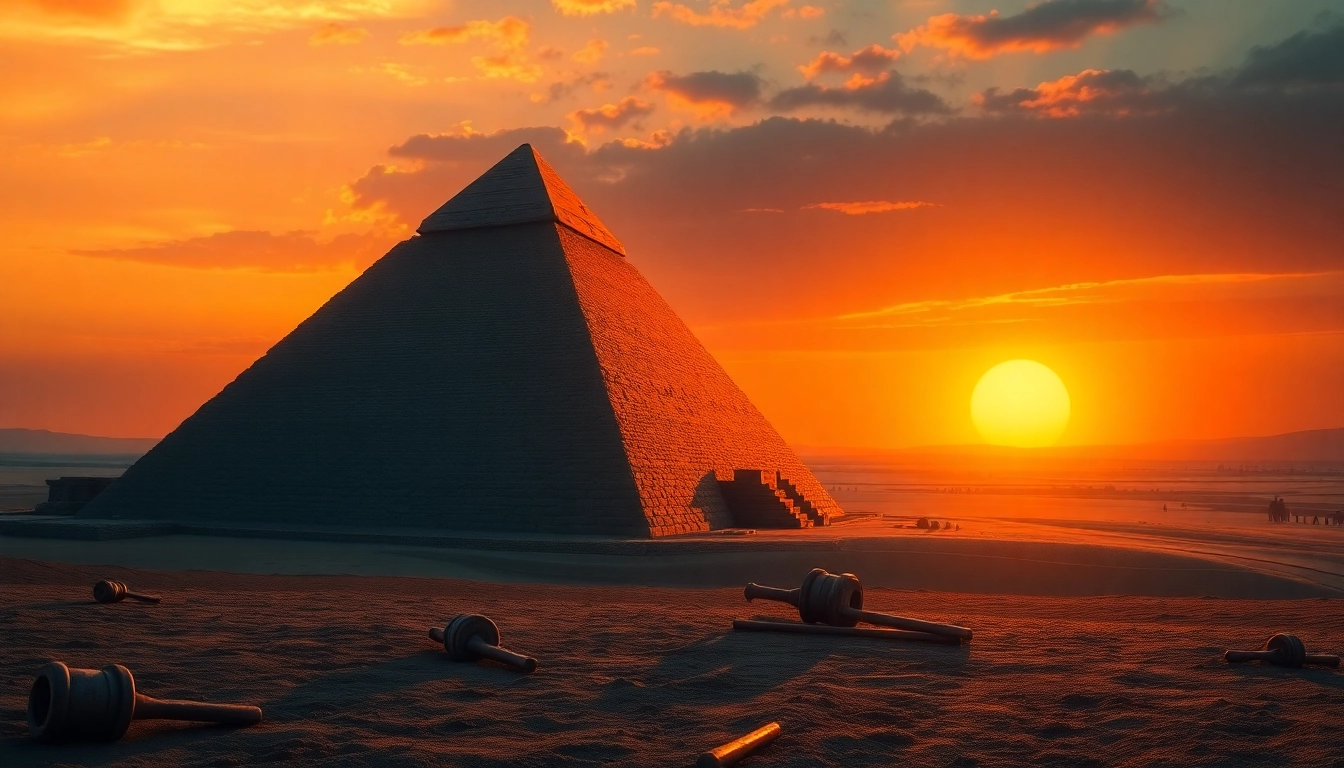
The Fascination with Pyramids
The awe-inspiring structures known as pyramids have captivated humanity for centuries. These monumental edifices, primarily associated with ancient Egypt, symbolize not just architectural prowess but also cultural and historical depth. As we delve into the significance of pyramids, we uncover layers of meaning and ingenuity that span thousands of years. From their historical importance to their cultural impact and architectural innovations, the pyramids offer a glimpse into a civilization that continues to influence ours. For more insights, visit https://piraminds.com/.
Historical Significance of Pyramids
Pyramids are more than just remarkable structures; they serve as time capsules reflecting the beliefs, values, and social structures of ancient societies. Constructed as tombs for pharaohs, they were designed to ensure safe passage into the afterlife, emphasizing the ancient Egyptians' view of eternity. The largest and most famous of these, the Pyramids of Giza, showcase the peak of Egyptian architectural innovation and social organization.
The Great Pyramid of Giza, for instance, stood as the tallest man-made structure for over 3,800 years, speaking to the advanced engineering skills of its builders. Its construction was a feat of organization, requiring large labor forces and resource management, which significantly influenced the economic and political landscape of ancient Egypt. The pyramid's enduring presence today continues to attract tourists and researchers alike, solidifying its historical significance as a World Heritage Site.
Cultural Impact in Ancient Egypt
The cultural impact of the pyramids extends beyond their physical presence. They were a reflection of the ancient Egyptians' complex spiritual beliefs and their understanding of life and death. Each pyramid was part of a larger funerary complex including temples and mortuary chapels, underscoring their significance in religious rituals associated with death and the afterlife.
The pyramids also served as a unifying symbol for ancient Egyptians, representing power and stability during a time when the nation faced numerous challenges. The architectural grandeur of pyramids inspired a shared cultural identity, reinforcing the power of the pharaohs and their divine connection to the gods. Additionally, the artwork and inscriptions found within these structures provide intricate insights into the daily life and beliefs of ancient Egyptian society.
Pioneering Architectural Techniques
The construction of pyramids involved innovative architectural techniques that were revolutionary for their time. The use of massive stone blocks, precise alignment, and sophisticated planning demonstrates a high level of engineering knowledge. Ancient Egyptians employed various techniques, such as sledding, rolling, and possibly even casting ramps, to transport and position these blocks accurately.
Furthermore, the layout of pyramids was meticulously planned, often reflecting celestial orientations. The sharp precision with which these structures were built reveals a deep understanding of geometry and astronomy, allowing them to stand the test of time. The architectural techniques pioneered in pyramid construction had lasting implications, influencing not only Egyptian architecture but also inspiring future civilizations.
How Pyramids Were Built
Materials and Labor Used
The construction of pyramids was a massive undertaking requiring a diverse range of materials and an extensive workforce. Limestone and granite were the primary materials used, sourced from nearby quarries. While limestone was more abundant, granite was often used for the inner chambers due to its durability and aesthetic qualities.
Laborwise, it is a common misconception that slaves built the pyramids; in reality, a skilled workforce comprised of laborers, craftsmen, and engineers took part in the construction process. These laborers were often well-fed and housed, as their work was seen as a duty to their pharaoh and a means to secure their place in the afterlife. The organization of labor forces and resource allocation was pivotal in the successful completion of these monumental structures.
Construction Methods and Tools
Construction methods of the pyramids involved several ingenious techniques for lifting and moving heavy stone blocks. Initially, workers would create ramps made of mudbrick, limestone chippings, or gypsum to haul stones to higher levels. Some theories suggest the use of a series of straight or zigzagging ramps that spiraled around the pyramid.
Tools were rudimentary yet effective. Copper chisels, wooden sledges, and stone hammers were used to shape and transport blocks. The precise engineering required to ensure alignment and structural integrity of the pyramid showcases the ancient Egyptians' remarkable capabilities and understanding of physics.
Innovative Solutions to Challenges
Throughout the construction process, ancient Egyptians likely faced numerous challenges including the transportation of stones, maintaining structural integrity, and ensuring worker safety. They developed several solutions to these issues, one of which includes the creation of specialized ramps to assist in stone transport.
Additionally, to minimize the labor-intensive processes, the workers might have implemented the use of lubricants, such as water, to facilitate movement of the sledges over sand. Ingenious tools and methods were continuously refined, leading to an efficient building process that resulted in the iconic structures we admire today.
Current Discoveries and Research
Latest Archaeological Findings
Modern archaeology continues to uncover significant findings related to pyramids. Recent excavations have led to the discovery of new structures and burial sites that were previously concealed under sands. These discoveries have provided insights into the practices and lives of those who constructed these monuments, allowing archaeologists to piece together a more detailed understanding of ancient Egyptian society.
Among these findings, the recent discovery of a hidden chamber within the Great Pyramid has sparked renewed interest and debate among researchers regarding the purpose and significance of these ancient structures. As technology advances, we can look forward to even more revelations about the mysteries these monuments hold.
Advancements in Technology
Technological advancements such as ground-penetrating radar, 3D modeling, and drone surveys have revolutionized the field of archaeology. These tools allow researchers to explore and analyze pyramid complexes without extensive excavation, preserving the integrity of the sites. They enable archaeologists to visualize hidden chambers and structural anomalies that may exist within and around the pyramids.
With ongoing research and the application of these innovations, our understanding of pyramid construction, purpose, and the culture surrounding them continues to deepen, highlighting the importance of these structures in global history.
Insights from Geophysical Surveys
Geophysical surveys have provided insights that traditional archaeological methods could not achieve. By employing techniques such as magnetometry and resistivity surveys, researchers can detect subtle variations in the earth’s magnetic fields or resistivity, indicating the presence of buried structures. This has led to the mapping of previously unknown features associated with pyramid sites, shedding light on the ways in which these monumental tombs fit into the broader landscape of ancient Egyptian civilization.
Such examinations contribute not only to our understanding of pyramid architecture but also to the urban planning and agricultural practices of those times, suggesting that they were far more complex than previously thought.
Pyramids in Global Context
Comparison with Other Ancient Structures
Pyramids are not exclusive to Egypt; various cultures contributed to pyramid construction. For example, the Mesoamerican pyramids, such as those of the Maya and Aztecs, share similarities in purpose—serving as temples and ceremonial sites. Although structurally different, these constructions reflect the universal human endeavor to commemorate and connect with the divine.
Comparing pyramids worldwide reveals shared themes of power, mythology, and architectural innovation. This cross-cultural examination provides valuable insights into the respective societies' values and beliefs, showcasing a shared human fascination with monumental structures that reach toward the heavens.
Tourism and Preservation Issues
Pyramids attract millions of tourists annually, significantly contributing to the local economy. However, the influx of visitors also poses preservation challenges. Erosion, pollution, and wear from foot traffic threaten the structural integrity of these ancient wonders.
Efforts to balance tourism with conservation have led to the implementation of regulations, controlled access, and restoration projects. Sustainable tourism practices help minimize impact while allowing future generations to experience the grandeur and mystery of the pyramids.
Your Own Journey to Ancient Wonders
Traveling to see the pyramids can be a transformative experience. Visitors are encouraged to engage with knowledgeable guides, participate in site preservation efforts, and explore beyond the pyramids to understand the context of Egyptian civilization fully. By taking part in responsible tourism, you can contribute to the preservation of these monumental creations while delving into their magnificent history.
Frequently Asked Questions about Pyramids
What is the purpose of the pyramids?
Pyramids primarily served as tombs for pharaohs and significant figures, reflecting beliefs in the afterlife, designed to ensure safe passage to the next world.
How were the pyramids constructed without modern tools?
Ancient Egyptians utilized simple tools like copper chisels and levers, employing ramps and manpower to lift and position heavy stones with remarkable precision.
What materials were used in pyramid construction?
The main materials included limestone for the exterior and granite for the interiors, sourced from local quarries. Transporting these materials was a logistical feat.
Are there undiscovered pyramids?
Yes, ongoing archaeological research suggests there are still hidden pyramids and lost structures beneath the desert sands waiting to be uncovered.
How can I visit the pyramids?
Various tour companies offer guided experiences to the Pyramids of Giza and other sites. Planning your visit with expert guides can enhance your understanding of their history.