Understanding Beaded Weft Hair Extensions
Beaded weft hair extensions have emerged as a revolutionary option for individuals seeking to enhance their hair volume and length without the use of glue or heat. This method involves attaching hair wefts using small, silicone-lined beads, providing a secure yet gentle hold that protects natural hair. As the hair extension market evolves, understanding the nuances of beaded weft hair extensions is crucial for making informed choices. When exploring options, beaded weft hair extensions provide comprehensive insights into innovative techniques and styles that cater to various hair types.
What Are Beaded Weft Hair Extensions?
Beaded weft hair extensions are a type of hair extension that utilizes small beads to attach wefts of hair to your natural hair without any adhesives. This method is particularly appealing as it minimizes damage often associated with other extension techniques, such as glue or tape. The extensions are typically made from high-quality human hair, ensuring a natural look and feel.
How They Differ from Other Hair Extension Methods
Unlike traditional sew-in or tape-in extensions, beaded weft extensions rely solely on the securing power of the beads. This distinction provides several benefits, including easier installation and removal. Furthermore, beaded installations allow for greater flexibility and movement, as there are no harsh adhesives or sew lines present. Other popular methods include fusion, clip-ins, and micro-link extensions, each with its unique advantages and potential drawbacks.
Benefits of Choosing Beaded Weft Extensions
- Gentle on Hair: The silicone-lined beads prevent tugging and pulling on natural hair, reducing the risk of damage.
- Reusability: Beaded extensions can be reused multiple times, making them a cost-effective choice for long-term wear.
- Less Maintenance: They require less maintenance than glue-based options, resulting in a straightforward upkeep routine.
- Customizable Styles: Available in various colors and textures, beaded weft extensions can be tailored to match any individual's hair perfectly.
Application Techniques for Beaded Weft Hair Extensions
To achieve the best results with beaded weft hair extensions, understanding the application techniques is essential. This method not only offers longevity but also ensures a seamless blend with natural hair. Following proper techniques will help maintain the integrity of both the extensions and your natural hair.
Step-by-Step Installation Process
- Preparation: Begin by sectioning your hair and ensuring it's clean and dry.
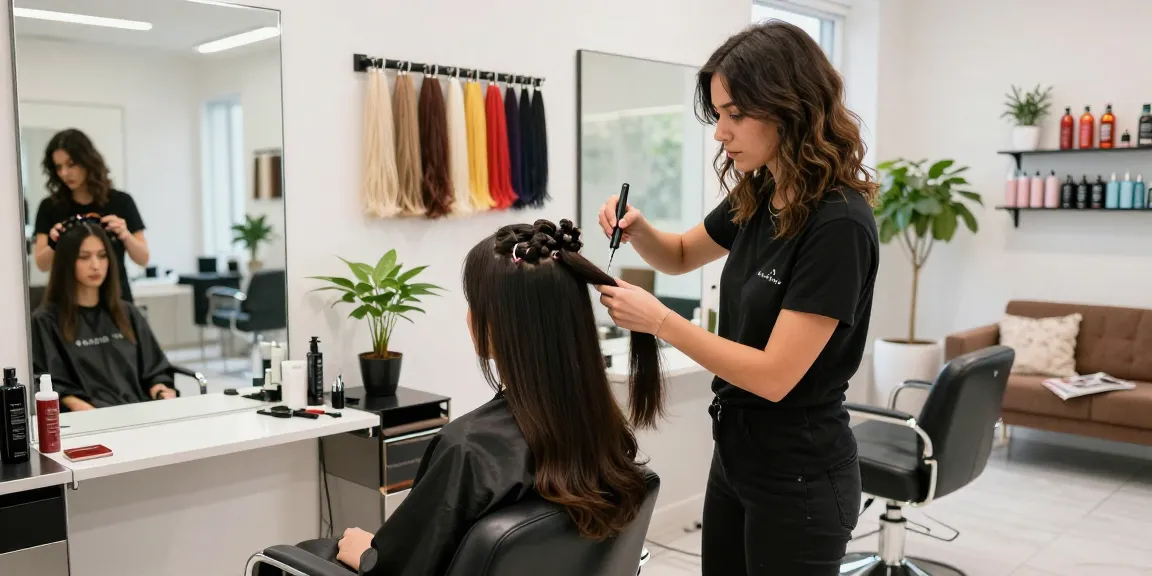
- Bead Placement: Use micro beads to anchor the weft. This usually involves threading a small section of natural hair through the bead, placing the weft underneath, and securing the bead by crimping it.
- Repeat: Continue this process, working your way around the head, leaving space for natural movement.
- Final Touches: Blend the extensions with your natural hair using a gentle styling tool to ensure seamlessness.
Tools and Products Needed for Application
Before starting the installation of beaded weft extensions, gather the following tools:
- Micro beads
- Beading tool or hook
- Crimping tool
- Scissors
- Hair sections clips
- A comb for sectioning
Common Mistakes to Avoid During Application
- Too Much Hair: Avoid taking too large sections of hair, which can lead to discomfort and damage.
- Improper Bead Tightness: Ensure beads are not too tight to prevent pulling, nor too loose to avoid slippage.
- Neglecting Maintenance: Failing to schedule regular maintenance can lead to matting and tangling.
Maintenance Tips for Longevity
Proper maintenance is vital to ensure that your beaded weft hair extensions remain in top condition and that your natural hair stays healthy. The longevity of the extensions directly correlates with how well you care for them.
Daily Care and Styling Recommendations
- Gentle Brushing: Use a soft-bristle brush to detangle hair, starting from the ends and working upward.
- Avoid Heat: Minimize the use of heat styling tools; when necessary, use a heat protectant spray.
- Regular Wash: Wash with sulfate-free shampoos and conditioners, focusing on the scalp rather than the wefts.
How to Remove Beaded Weft Hair Extensions Safely
Removing beaded weft extensions requires caution to prevent damage to natural hair. Here’s a simple guide:
- Gather Tools: Make sure you have a pair of scissors, a beading tool, and some hair oil.
- Loosen Beads: Use the beading tool to carefully slide the beads down the natural hair, then gently slide the weft out.
- Trim Ends: If necessary, trim any leftover extensions for a seamless finish.
Signs Your Extensions Need Maintenance
- Increased tangling or matting
- Visible beads or loose extensions
- Unnatural movement or discomfort
Cost Analysis of Beaded Weft Hair Extensions
Understanding the cost associated with beaded weft hair extensions can help you make informed decisions that fit your budget. Prices can vary based on several factors, including hair quality, length, and the chosen application method.
What Affects the Price of Beaded Weft Extensions?
- Hair Quality: 100% Remy human hair will generally be more expensive than synthetic options.
- Length: Longer extensions usually come at a premium price.
- Salon Fees: Professional installation costs can add significantly to your total expenses.
Comparing Costs with Other Hair Extension Types
When comparing beaded weft extensions to other types, it’s essential to weigh the pros and cons:
- Clip-in Extensions: Cheaper initially but not as durable and require frequent removal.
- Tape-in Extensions: Moderate cost but may cause more damage to natural hair.
- Sew-in Extensions: Often less expensive than beaded but can lead to more significant tension on the scalp.
Budgeting Tips for Long-Term Use
To budget for beaded weft extensions effectively:
- Factor in ongoing maintenance costs every 6-8 weeks.
- Consider quality over price; investing in higher quality hair may save you in the long run.
- Look for sales or bundles, especially during peak hair extension seasons.
Future Trends in Hair Extensions for 2026 and Beyond
The hair extension industry is poised for innovative trends that will cater to evolving consumer preferences. As technology and techniques improve, the future of beaded weft hair extensions will likely reflect these advancements.
Innovations in Beaded Weft Technology
Anticipate the introduction of even lighter wefts and stronger beads that can withstand daily wear without compromising comfort. Companies may also explore eco-friendly materials, making extensions more sustainable.
Consumer Preferences and Market Growth
As consumers become more aware of hair health, there will be a shift towards extensions that prioritize the integrity of natural hair. Expect to see increased demand for customizable and versatile styling options.
Expert Predictions and Styling Trends
Industry experts predict that customization will be key in 2026, with advances allowing for perfectly matched shades and textures that blend seamlessly with various hair types. Styling techniques may also evolve, focusing on low-maintenance looks that preserve the quality of the hair extensions.
What Are the Benefits of Beaded Weft Hair Extensions?
In summary, beaded weft hair extensions offer numerous advantages, including comfort, reusability, and a natural appearance. They are suitable for a variety of hair types and preferences, making them a popular choice among consumers.
How Long Do Beaded Weft Extensions Last?
When cared for properly, beaded weft hair extensions can last anywhere from 6 to 12 months, making them a worthwhile investment.
What Are the Drawbacks of Beaded Weft Hair Extensions?
Despite their advantages, there are some potential downsides to consider. For instance, if not installed correctly, they can cause discomfort or damage. Additionally, regular maintenance is necessary to keep them looking their best.
How Much Do Beaded Weft Extensions Cost?
The cost for beaded weft extensions can range significantly based on quality and installation fees. On average, expect to spend between $200 to $800, depending on your chosen options.